
A Checklist for Creating a Screen-Free Hour at Home
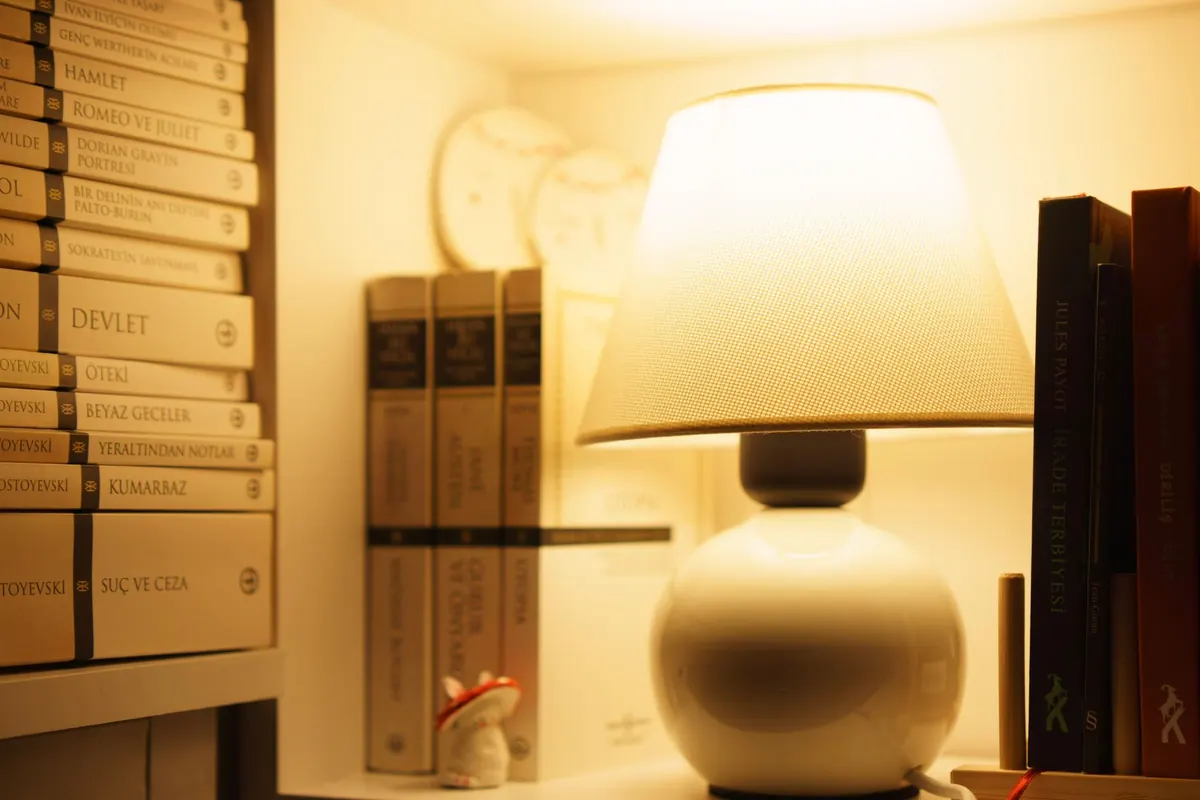
A screen-free hour sounds easy until you try it. Within ten minutes someone is reaching for a phone to check the weather, someone else wants music on, and the tablet resting on the arm of the sofa seems to be humming quietly at you. The problem is rarely willingness. It is that most rooms have been arranged entirely around screens, so going without them means fighting the furniture as well as the habit.
What follows is a checklist, not a lecture. The idea is to change the room once so that the hour does not need willpower every single evening. Move a few things, agree on a few rules, and the quiet hour starts to feel like the natural thing to do rather than a small act of self-denial.
First, Decide What the Hour Is Actually For
Before touching a single cable, get specific. Vague plans collapse. A workable version sounds like this: weeknights from 8pm to 9pm, the living room and kitchen only, phones in the hallway drawer, television off, music allowed. That sentence answers almost every question that will come up later.
Three decisions matter most. Which rooms are covered, and which are not. What counts as a screen, because e-readers, fitness watches and music players all sit in a grey area. And whether the hour is fixed or flexible. A fixed slot works better for families, since nobody has to negotiate it each night.
Resist the urge to start with three hours. One hour, repeated, beats a dramatic evening that nobody wants to repeat. If it goes well for a fortnight, extend it by fifteen minutes and see how that feels.
The Living Room: Make the Quiet Option the Easy One
The living room carries most of the weight, because it is where the default evening happens. Start with the remote. Put it in a drawer rather than on the coffee table, or drape a cloth over the screen if your household needs the visual reminder. Out of sight genuinely helps; a dark rectangle in the corner is an invitation.
Next, deal with phones. A single parking spot works better than scattered good intentions: a bowl on the hall table, a drawer by the door, a shoebox on a shelf. Choose one and use it every night. Charging cables should live somewhere other than beside the sofa, or at least be unplugged for the hour.
Then look at what is within arm's reach of where people sit. If the answer is nothing but a coaster, the hour will be dull. A basket on the floor with two magazines, a deck of cards, a crossword book and a half-finished jigsaw gives idle hands somewhere to go. It sounds trivial. It is the difference between a pleasant hour and a long one.
Small adjustments finish the job. Switch off the overhead light and use a lamp. Put a notebook and pen on the side table for the thoughts that arrive mid-conversation and demand to be looked up. If you use a speaker for music, decide in advance whether it stays on, because the argument about audio is the most common crack in an otherwise solid plan.
The Kitchen and the Table
Kitchens are usually fine on the screen front and disastrous on the clutter front. A table buried under post, laptops and charging cables cannot host a conversation; clear it properly, not just to one side.
The best screen-free hours in kitchens tend to involve hands. Dough, a chopping board, a sink of dishes done by two people rather than one. If you want a ritual, make the kettle the start of the hour: everyone in, drinks made, phones left in the hall. It gives the evening a hinge.
One caution: do not turn the hour into chores for everyone. Cooking together is company. A directed housework session is not, and it will kill the experiment within a week.
Bedrooms, Hallways and the Space Between Rooms
You do not need to police bedrooms to make this work, but you do need a place where devices can sit undisturbed. The hallway is often the best candidate: it is on the way in, it is not where anyone lingers, and a drawer there is out of sight without being out of reach.
If someone uses their phone as an alarm, a cheap alarm clock solves the problem permanently and removes a nightly negotiation. This is also worth doing for its own sake, entirely separately from the screen-free hour.
The Checklist, Room by Room
- Hallway. Clear one drawer or shelf as the device parking spot. Add a spare charger if people need one before bed.
- Living room. Remote in a drawer. Cables unplugged. One basket of alternatives within reach. Lamp on, overhead light off.
- Kitchen. Table cleared completely. A job for hands ready to go: dough, vegetables, a shared pot of tea.
- Dining table. Nothing on it but what belongs there. No phones face-up as a centrepiece.
- Bedroom. Alarm clock if a phone was doubling as one. Book on the nightstand.
- Household agreement. Time slot written down, rooms named, exceptions listed, alternatives chosen in advance.
Fill the Hour Before You Empty It
An empty hour is the enemy of a screen-free hour. Most people reach for a screen not because they are desperate for content but because they have not decided what else to do, and deciding takes energy at exactly the moment energy is low.
So choose in advance. Not a list of virtuous activities, but two or three things that sound genuinely good. A jigsaw left out on a table gets finished; one in a cupboard does not. A book you actually want to read beats a worthy one you feel you should. A walk after dinner, a card game, a repair job that has been waiting for months, an album played front to back with the sleeve in hand.
For children, the first fifteen minutes are the hardest part. Plan for them specifically: a game set out, paper and pens on the table, a bath earlier than usual. Once they are past the initial restlessness, they usually settle far faster than adults expect.
With teenagers, negotiation beats decree. Agree the scope, let them choose what they do with the hour, and accept that reading in their room counts. The aim is a habit, not a demonstration of authority.
Getting the Household to Say Yes
Buy-in comes from three things: a short reason, a fair rule, and a visible alternative. Keep the reason to a sentence. "I'd like us to have one hour a day where we're actually in the same room" lands better than a speech about attention spans.
Fairness matters more than enthusiasm. If one person keeps half an eye on a phone, everyone else quietly concludes the whole thing is optional. Agree that the rule applies to adults first, and be the first to put your own phone in the drawer.
When It Goes Sideways
Someone will check a phone in week one. Respond lightly, or not at all. Policing turns a pleasant experiment into a small domestic police state, and nobody volunteers for that twice.
Expect the first few evenings to feel oddly long. That is normal and it passes, usually within a week or so. Keep the notebook handy for the sudden urge to look something up, and keep the basket stocked. If the hour regularly falls apart, shrink it to thirty minutes before you abandon it.
Start This Week With One Hour
Choose a night, name a time, clear one table and one drawer, and put something in a basket that someone might actually enjoy. Tell the household what is happening and why, in one sentence. Then leave it alone for a week before deciding whether to change anything.
You do not need a perfect setup or a family of enthusiastic converts. You need a room where the quiet option is slightly easier than the noisy one, and the patience to let an unfamiliar hour become a familiar one.
Photo: Berna / Pexels