
Comparing Three Simple Breathing Exercises for Stress Relief
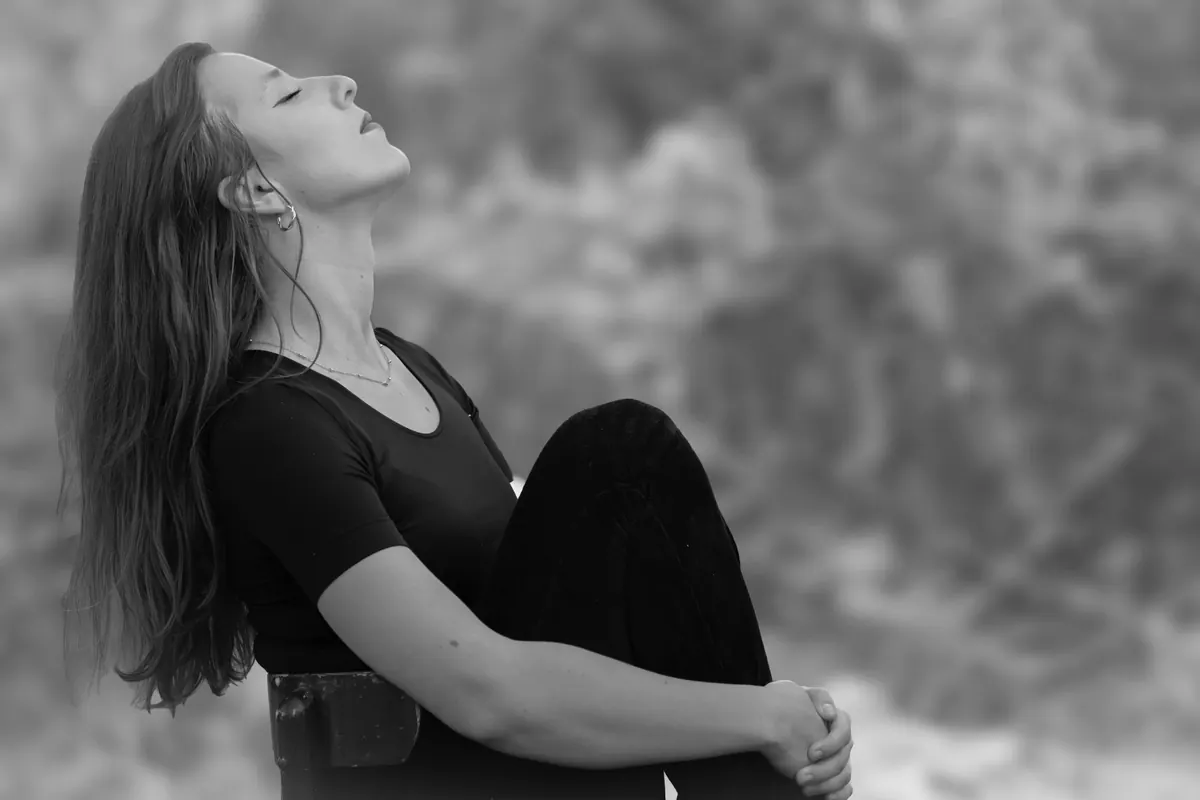
There is a specific kind of tension that arrives between meetings. The jaw is set, the shoulders have crept up toward the ears, and the breath sits high and shallow in the chest. You cannot fix it with a long walk because there are four minutes until the next call. That is the gap these three exercises are built for.
Box breathing, 4-7-8 breathing and the physiological sigh are free, need nothing but a chair and a little attention, and take between five seconds and five minutes. They also feel completely different in the body, which is why most people quietly prefer one and abandon the others. What follows is how to do each one properly, what it is actually good for, and how to pick between them on a bad afternoon.
Start With the Mechanics, Not the Mystique
All three exercises lean on the same lever: a slow, unforced exhale. Breathing out longer than you breathe in is the part that tends to settle the body, and it works whether or not you believe in it. The counting and the holds are scaffolding around that.
Three rules keep practice comfortable. Breathe through your nose unless it is blocked. Keep the counts within your air supply rather than chasing a number on a page. And stop if you feel dizzy or air-hungry — return to normal breathing, then try again with shorter counts. These are relaxation tools, not treatment. If you have a heart or lung condition, panic disorder, or you are pregnant and unsure, it is worth a quick word with your doctor before adding breath-holds to your day.
Box Breathing: The Steady Four-Count
Box breathing is the most structured of the three, which is exactly why it suits people who find the phrase "just relax" useless. The counting gives a scattered mind a small job to do.
How to do it
- Sit upright, feet flat, hands resting wherever they fall.
- Breathe out gently through your nose until the lungs feel empty.
- Inhale through the nose for a count of four.
- Hold for four.
- Exhale through the nose for four.
- Hold for four, then begin again.
Five to ten rounds is plenty. If four seconds is a stretch, use three; if it feels easy, try five. The even rhythm matters more than the exact number. The hold after the exhale is optional — some people find an empty-lung pause agitating, and dropping it costs you very little.
When it helps most
Use box breathing when you need your thinking back. Before a difficult phone call, during the ten minutes you are waiting for someone to arrive, or in the middle of an afternoon when your attention keeps sliding off the page. It is also the least conspicuous of the three if you are sitting at a desk or on a train, because the breath stays in the nose and the rhythm looks like ordinary breathing to anyone nearby.
4-7-8 Breathing: The Longer Exhale
This one stretches the exhale out and adds a longer hold. The classic version is a four-count inhale, a seven-count hold, and an eight-count exhale, usually through the mouth. It tends to feel heavier and slower than box breathing — closer to winding down than to sharpening up.
How to do it
- Sit upright rather than lying flat, especially at first.
- Rest the tip of your tongue lightly behind your top front teeth.
- Exhale fully through the mouth, softly, without forcing it.
- Close the mouth and inhale through the nose for four.
- Hold for seven.
- Exhale through the mouth for eight.
- Repeat for four cycles, then return to normal breathing.
If seven seconds of holding feels like too much, scale the whole pattern down — three, five, and six works fine. The proportions are the point: a short inhale, a pause, and an exhale roughly twice as long. Four cycles is the usual recommendation; more is not automatically better.
When it helps most
4-7-8 earns its reputation at night. It is a reasonable thing to try when you are lying awake with a mind that has decided to review the day in detail, or when you want to shift out of a wired evening and into something closer to sleep. Because it uses an open mouth and a visible rhythm, it is less practical mid-meeting. It can also leave you slightly light-headed the first few times, which is another argument for sitting up and keeping the counts modest.
The Physiological Sigh: The Fastest Reset
The physiological sigh is what your body already does on its own after crying or a long stretch of tension. It involves two inhales instead of one, followed by a long, slow release. This is the shortest of the three — a few seconds — and the easiest to use in public.
How to do it
- Inhale through the nose until the lungs are comfortably full.
- Add a second, shorter sniff of air on top of that — a small top-up.
- Let the exhale go slowly and completely through the mouth, longer than felt natural.
- Repeat two or three times, no more.
The second inhale is thought to help reopen small airways that collapse when we are tense or sighing shallowly, and the long release does the calming work. You do not need to breathe deeply enough to see stars. A gentle version performed quietly at your desk is just as effective as a dramatic one.
When it helps most
Reach for it in the spike: the email that lands badly, the sudden flush of anger in a conversation, the moment before you have to speak when your heart is going too fast. It is also useful as a bridge between the other two practices — two sighs on the way into a stressful room, then box breathing once you are seated.
Choosing Between Them
Most people do not need all three. They need one that matches the situation they actually have. A rough guide:
- Wired and scattered, need to concentrate: box breathing, five rounds at your desk.
- Awake at 2 a.m., mind racing: 4-7-8, four cycles, sitting up if lying down feels odd.
- Sudden anger, shock or panic: the physiological sigh, two or three times.
- Before a presentation: a couple of minutes of box breathing, then one sigh at the door.
- After a hard conversation: three sighs, then a short walk to let the body catch up.
Common snags, and what to do instead
If the holds make you tense, drop them entirely and simply make the exhale longer than the inhale. That alone is the active ingredient. If you get light-headed, shorten every count by a second or two. If your attention wanders mid-set, count on your fingers or silently label each breath "in" and "out" — a small anchor is more useful than trying harder. And if your nose is blocked, breathe through your mouth; slower is still slower.
A Practical First Week
Pick one exercise and practise it twice a day at a neutral moment — not only in a crisis. Two minutes is enough. Attach it to something that already happens: the moment you sit down at your desk, or when you plug your phone in to charge at night. Skills learned in calm conditions tend to be available when things are not calm, and that is the whole point.
After a week, add a second exercise for a different situation: the sigh for sudden spikes, 4-7-8 for evenings. Keep the first one going so it stays familiar. If none of the three appeals, start with the common ingredient — a slow, quiet exhale through the nose, repeated a handful of times — and build from there. And if anxiety is persistent rather than occasional, or it is interfering with sleep and work, these exercises are a support rather than a solution; a doctor or therapist can help with the rest.
Four minutes between meetings is not much. It is, however, enough to change how the next hour goes.
Photo: Jan Brndiar / Pexels